
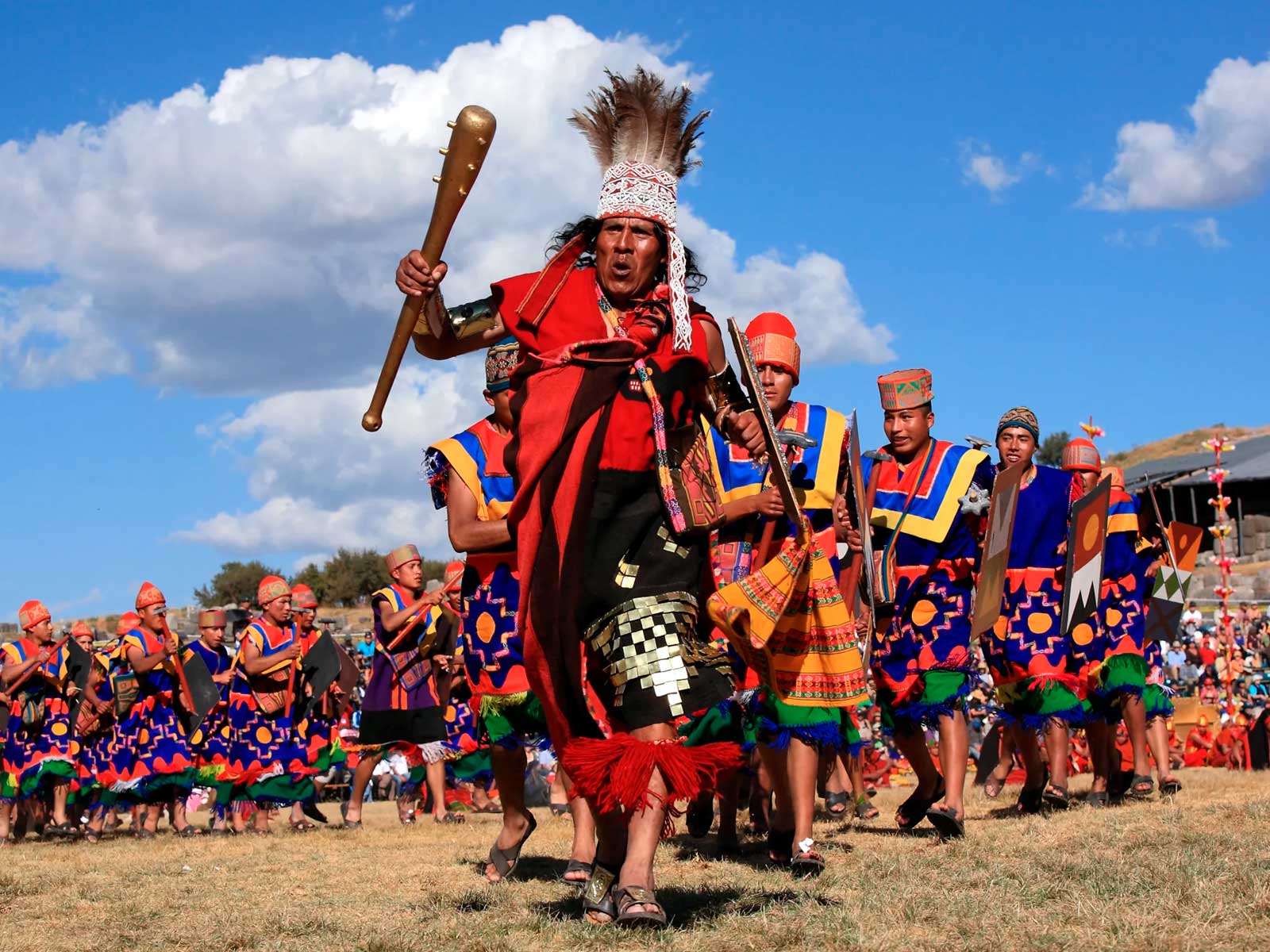
Have you ever wanted to step into the world of the ancient Incas and witness a celebration filled with symbolism, spirituality, and deep respect for the sun? If so, Inti Raymi is an experience you shouldn’t miss. Held in the heart of the Andes, in Cusco, this remarkable festival honors the sun and celebrates the bond between people, nature, and tradition. In this article, we’ll explore the meaning behind Inti Raymi, its origins, and the rituals that make it one of the most fascinating cultural events in Peru.
The Origins of Inti Raymi
Inti Raymi, which translates to “Festival of the Sun” in the Quechua language, dates back to the time of the Inca Empire. For the Incas, the sun—known as Inti—was their most important deity. They believed they were descendants of the sun and that its light and warmth made life possible on Earth.
Because of this belief, Inti Raymi was created as a sacred ceremony to give thanks to the sun and to strengthen the spiritual relationship between the Inca ruler and the divine power that protected the empire.
When Is Inti Raymi Celebrated?
The festival takes place every year on June 24, which aligns with the winter solstice in the Southern Hemisphere. For the Incas, this moment had powerful symbolic meaning. It marked the time when the sun was at its most distant point and would soon begin returning, bringing longer days and the promise of a new agricultural cycle.
During the celebration, priests, performers, and community members take part in ceremonial reenactments that honor ancient traditions and connect modern audiences with the spiritual worldview of the Incas.
The Rituals and Ceremonies
During Inti Raymi, actors portraying Inca priests and rulers perform a series of symbolic rituals dedicated to the sun. One of the most memorable moments is the invocation to the sun, where offerings such as coca leaves and chicha—a traditional fermented corn drink—are presented as a sign of gratitude and respect.
The ceremony also includes theatrical reenactments of important moments from Inca history, accompanied by traditional dances, music, and vibrant costumes. These performances recreate the splendor and ceremonial life of the ancient empire.
0

Leave a Reply