
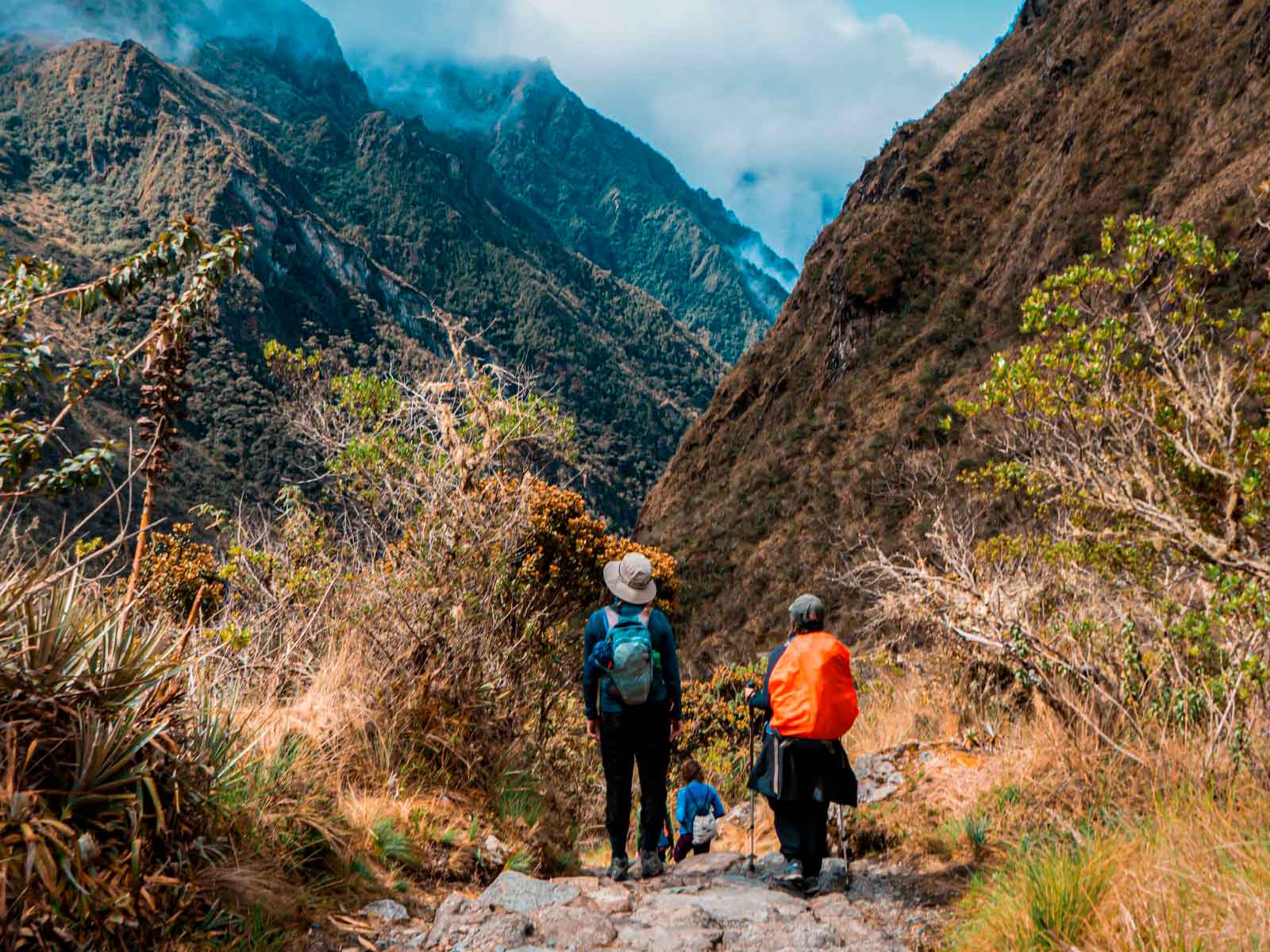
The Inca Trail is one of the most famous trekking routes on the planet, attracting travelers and adventure lovers from every corner of the world. This legendary path winds through breathtaking Andean landscapes, cloud forests, and impressive archaeological sites left behind by the Inca civilization. Along the way, hikers encounter incredible stone structures, dramatic mountain views, and a deep sense of Andean history and spirituality. Among all the remarkable places on the trail, one spot that always captures people’s attention is Dead Woman’s Pass, a high mountain pass named after a ridge that looks like the silhouette of a woman lying on her back.
Trekkers reach Dead Woman’s Pass on the second day of the classic Inca Trail journey, which is widely considered the most demanding day of the hike. Sitting at 13,828 feet (4,215 meters) above sea level, it is the highest point along the entire trail. To get there, hikers must follow a steep, winding path that climbs steadily for several hours. The altitude makes the ascent even more challenging, testing both stamina and determination.
However, the effort is well worth it. Many hikers describe the moment they reach the top as one of the most rewarding experiences of the entire trek. From the summit of Dead Woman’s Pass, the panoramic views of the surrounding valleys and rugged mountains are simply unforgettable. Standing there, surrounded by the vast beauty of the Andes, it’s easy to pause, catch your breath, and appreciate the incredible landscape that makes the Inca Trail such a special adventure.
0

Leave a Reply